Types of Resistors, Color Coding & Power Rating
Learn about the various types of resistors, color coding for resistors, and one of the most underrated but important concepts in theory for studying resistors, which is power rating
Simplifying Everything
Learn about the various types of resistors, color coding for resistors, and one of the most underrated but important concepts in theory for studying resistors, which is power rating
It’s important to know how exactly one should read the markings on a capacitor. The markings on the capacitors can help a lot in selecting the perfect one for our applications
Solving resistor networks is a very important skill in real-life applications. Its use is not only about electronics but also in thermal management systems. In this article, we will learn several methods to tackle complex resistor networks
Diodes are one of the very important components used in electronic circuits. These are one which help to safeguard your circuits. 1. Diodes have Polarity! As we have already discussed about Resistors in our previous articles (Dealing with Resistors: Part 1 and Combining Resistors: Part 2 ), we know that Resistors don’t care in what way … Read more
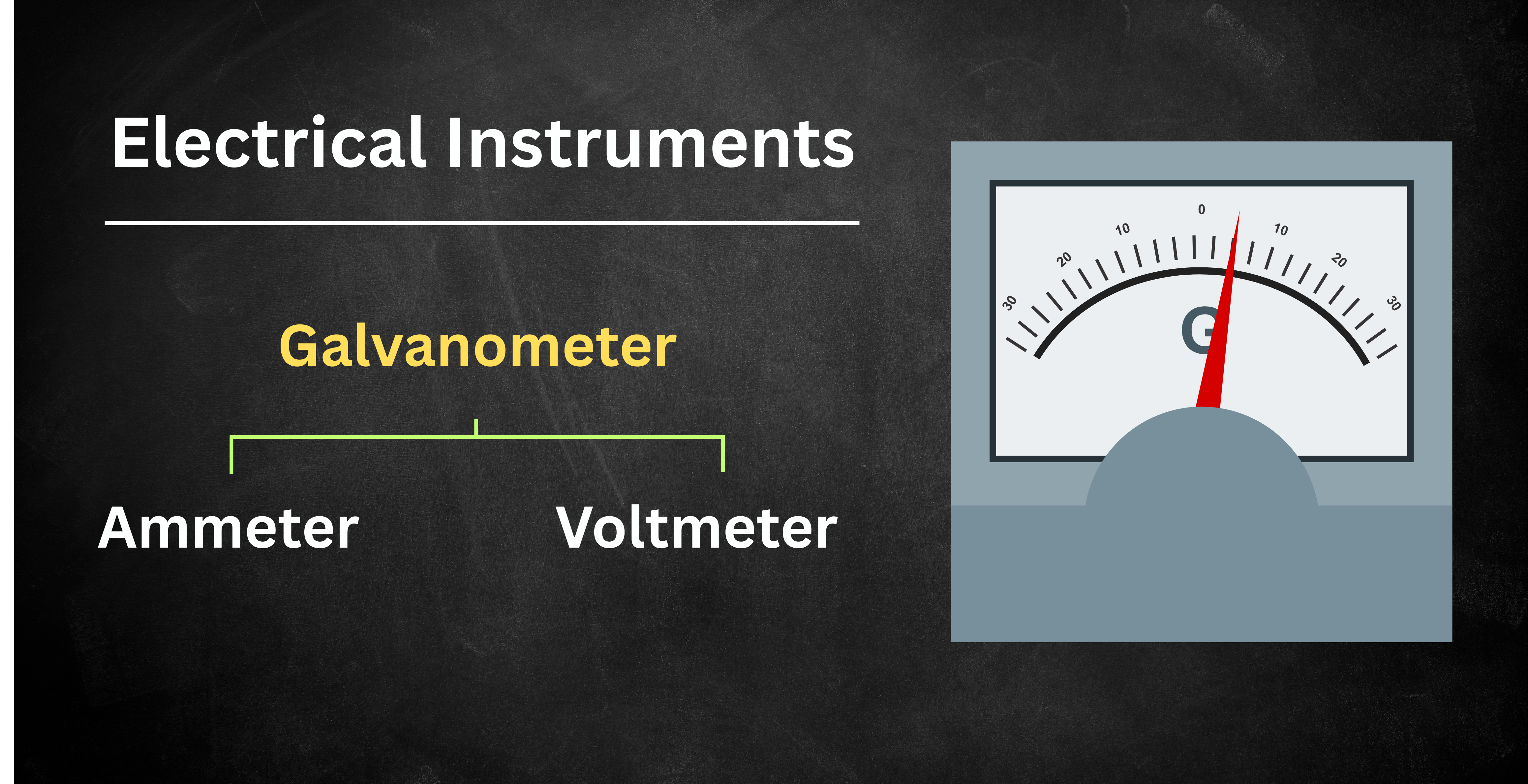
Learn about Electrical Instruments and the conversion of Galvanometer to Ammeter and Voltmeter. This topic is also important from your exam point of view
Now that We have learnt the basic use and operations of capacitor, it’s time to dive deeper into the numerical part of this component, study about dielectrics and also learn about combining the capacitors with each other !!
After Resistors, it’s time to look into the second most commonly used component in circuits i.e. Capacitors. We learn about What it is exactly, where are they used, etc.
In this article, we learn about finding the equivalent resistance across given points. This includes various useful methods & techniques to solve equivalent resistance circuits like symmetry, voltage method, etc.
Learn about one of the most basic component yet one of the most important component in any electric circuit, i.e. Resistor. What do they actually do and how to use them ? Let’s find out !!